
Reciba actualizaciones periódicas de la Convención de Minamata
Las medidas necesarias para controlar el comercio de mercurio reflejan varios principios clave, a saber: el mercurio objeto de comercio no debe proceder de fuentes no permitidas por el Convenio; antes de cualquier exportación debe obtenerse el consentimiento del país importador, independientemente de que sea o no Parte; y se permite el comercio con países que no sean Partes, siempre que estos puedan acreditar que cuentan con determinadas medidas equivalentes a las exigidas a las Partes. Estas medidas tienen por objeto contribuir a la protección de la salud humana y del medio ambiente mediante la reducción de la disponibilidad de mercurio y la prevención de su distribución incontrolada.
Regulación del suministro y el comercio de mercurio
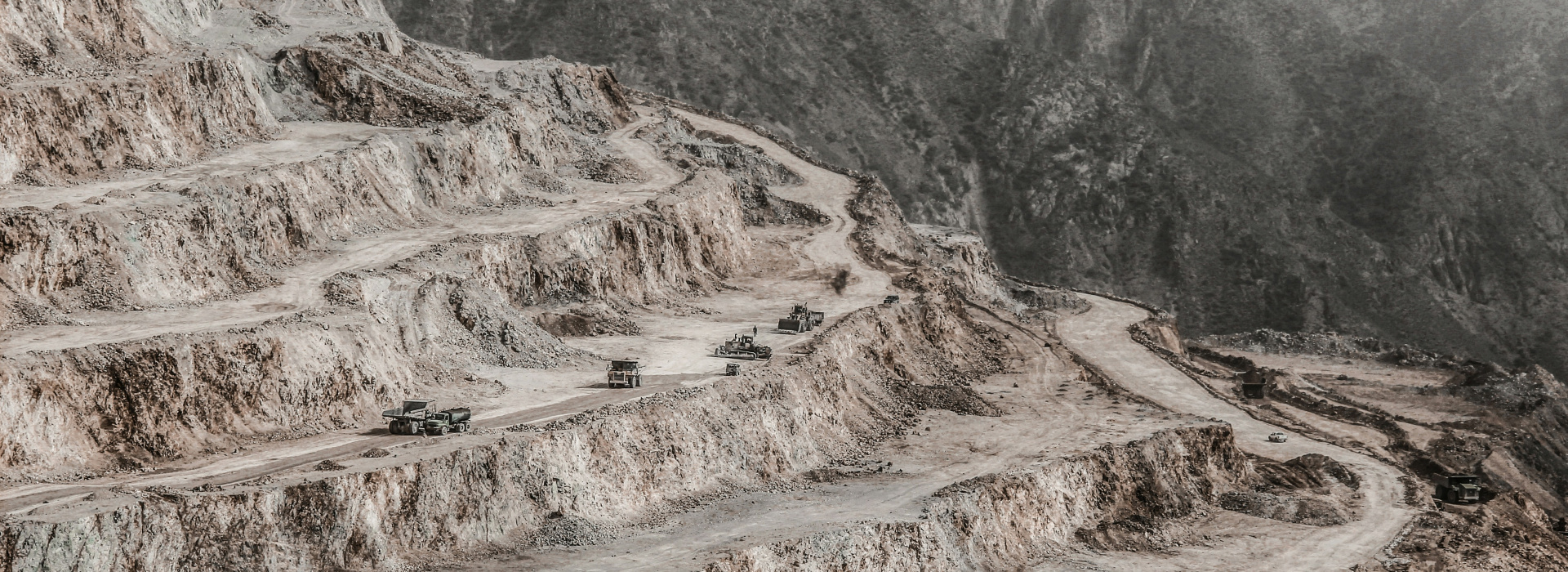
En algunos países sigue existiendo la minería primaria de mercurio, lo que aumenta el suministro mundial de este metal, estimado en 2015 entre 3.850 y 4.400 toneladas al año. En virtud del artículo 3, el Convenio exige que el mercurio procedente de fuentes como las instalaciones de cloro-álcali clausuradas y otros procesos industriales se gestione de manera ambientalmente racional y no se utilice en actividades prohibidas. Reducir al mínimo el suministro de mercurio en el mercado mundial es fundamental para alcanzar el objetivo del Convenio.
Si no se controlan de manera eficaz, el suministro y el comercio de mercurio pueden contribuir a la contaminación ambiental continuada, especialmente a través de la demanda de mercurio en la minería artesanal y a pequeña escala del oro (ASGM), que sigue siendo elevada, con entre 1.400 y 2.800 toneladas métricas emitidas a la atmósfera y vertidas al agua y al suelo cada año. En virtud del artículo 3, las Partes no permitirán la exportación de mercurio a otras Partes ni a terceros, salvo en determinadas condiciones, como el consentimiento por escrito del país importador y para usos permitidos en virtud del Convenio.
Fortalecimiento de la cooperación internacional para abordar el suministro de mercurio
En la decisión MC-5/2 sobre las fuentes de suministro y el comercio de mercurio, la quinta reunión de la Conferencia de las Partes (COP-5) invitó a las Partes a presentar a la Secretaría, a más tardar el 25 de marzo de 2025, información sobre las experiencias y los retos a los que se han enfrentado en la aplicación del artículo 3, así como información sobre las actividades llevadas a cabo en relación con la Declaración de Bali sobre la lucha contra el comercio ilegal de mercurio, que la Secretaría recopilará para su examen por la COP-6.
Asimismo, se anima a las Partes a promover campañas conjuntas y actividades de formación para mejorar la capacidad de los funcionarios encargados de la aplicación de la ley y de las aduanas a la hora de controlar el comercio de mercurio a nivel nacional. La COP-6 examinará las orientaciones sobre el comercio de mercurio procedente de la minería primaria de mercurio, un estudio sobre el suministro, el comercio y el uso mundiales de compuestos de mercurio, así como un proyecto de actualización de las orientaciones existentes sobre las existencias adoptadas en la decisión MC-1/2.
Las Partes en el Convenio de Minamata han adoptado medidas para controlar los productos con mercurio añadido y limitar el uso del mercurio en los procesos industriales, y el uso de mercurio en productos y procesos ha disminuido. Se espera que esta tendencia continúe, reduciendo la necesidad de mercurio y su comercio.
Conozca a la experta
Si necesita más información, no dude en ponerse en contacto con Lara Ognibene, oficial legal/de programas de la Secretaría del Convenio de Minamata sobre el Mercurio, en lara.ognibene [at] un.org.