
Recevez des mises à jour régulières de Minamata Convention
The Convention addresses the global impact of mercury-added products, which account for approximately 30% of global mercury demand. Mercury is mined or extracted for use in consumer products, and its release throughout the production, use and disposal of these products poses risks to human health and the environment. Some mercury-added products, such as cosmetics, result in direct human exposure to mercury. Over time, the use of mercury in products like lamps, batteries, and measuring devices has declined as countries transition to mercury-free alternatives. However, the use of mercury in dental amalgam remains widespread.
Phasing out mercury-added products
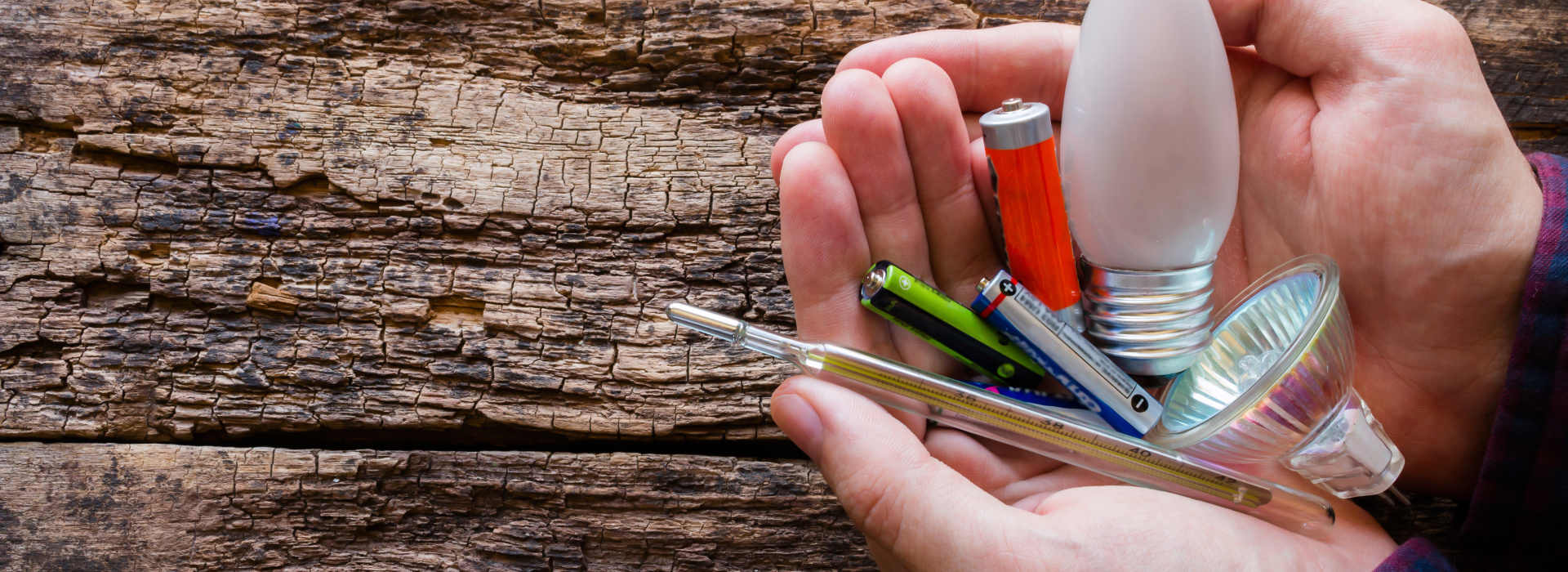
The Minamata Convention defines "mercury-added products" as products or product components that contain mercury or a mercury compound that was intentionally added. The Convention calls upon its Parties to reduce mercury demand in products by phasing out mercury in many key products and controlling uses in others, along with discouraging the development of new mercury-added products. Annex A Part I of the Convention lists mercury-added products and the phase-out dates. Phasing out mercury-added products is one of the Parties’ obligations that has the earliest deadline. The Conference of Parties amended Annex A, adding more products as mercury-free alternatives become feasible, with later phase-out dates. Through these amendments, batteries will become completely mercury-free and fluorescent lamps for general lighting will be phased out.
The Convention’s phase-out obligations apply to the manufacture, import, and export of the identified products, but not their use. This means mercury-added products already in commerce can still be used within a country after the phase-out date. However, some Parties have implemented additional measures to restrict their circulation. Dental amalgam, listed under Annex A Part II, remains a key area of focus due to its continued use in dentistry, particularly in populations vulnerable to mercury exposure.
Obligations for Parties
Parties to the Minamata Convention must ensure that the manufacture, import, and export of mercury-added products listed in Part I of Annex A cease after the designated phase-out dates unless an exemption has been registered. Additionally, they are required to take two or more measures to phase down dental amalgam per Part II of Annex A. With the amendment in 2022, Parties have obligations to restrict the use of dental amalgam to its encapsulated form, and limit the use of dental amalgam for children and pregnant and breast-feeding women.
Parties must also take measures to prevent the incorporation into assembled products of mercury-added products listed in Part I of Annex A. The Convention also requires Parties to discourage the manufacture and distribution of mercury-added products not explicitly covered by its provisions, unless an assessment of the risks and benefits of the new product demonstrates environmental or human health benefits.
To support these efforts, the Minamata Convention promotes capacity-building and collaboration among Parties to accelerate the transition to mercury-free products. Amendments to Annex A ensure that newly identified products are phased out as alternatives become widely available. Countries are encouraged to take proactive measures to limit mercury use, enhance regulatory frameworks, and raise awareness about the risks associated with mercury-added products.
Meet the expert
Should you need further information, please do not hesitate to contact Eisaku Toda, Senior Programme Management Officer of the Secretariat of the Minamata Convention on Mercury, at eisaku.toda [at] un.org (eisaku[dot]toda[at]un[dot]org).