
Reciba actualizaciones periódicas de la Convención de Minamata
Artisanal and small-scale gold mining (ASGM) is an important source of livelihood for millions of miners, particularly in developing countries. However, the use of mercury in ASGM results in significant adverse effects on human health and the environment, including mercury emissions and releases that contaminate air, water, and soil. To address this, the Convention requires each Party that determines that ASGM in its territory is more than insignificant to notify the Secretariat and develop a National Action Plan (NAP) that outline measures to reduce, and where feasible, eliminate mercury use in mining.
National Action Plans for ASGM
As set out in Article 7, these National Action Plans (NAPs) shall include strategies to reduce, and where feasible, eliminate the use of mercury in ASGM. Annex C of the Convention sets out the required elements of NAPs, including setting mercury reduction targets, actions to eliminate worst practices, steps to facilitate the formalization or regulation of the sector to ensure compliance with environmental and health standards. NAPs shall also incorporate measures to promote public health strategies, including awareness-raising on mercury exposure, health data collection, and training for healthcare workers in affected communities. Parties are encouraged to provide financial and technical assistance to support the transition to mercury-free practices, consistent with the Convention’s objective to protect human health and the environment from anthropogenic emissions and releases of mercury.
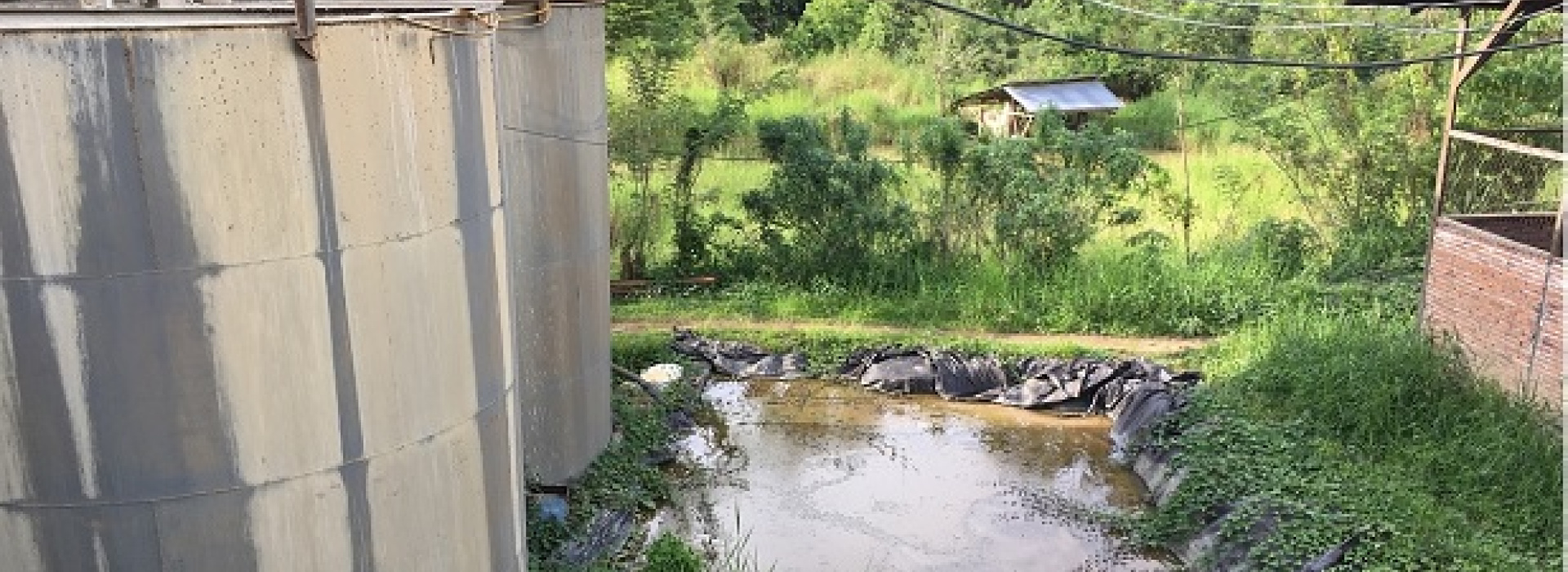
Transitioning to mercury-free ASGM
The Convention calls on Parties to promote mercury-free methods as well as knowledge-sharing and capacity-building initiatives to assist Parties in the effective implementation of their National Action Plans. By advancing mercury-free technologies, finely tuning regulatory and policy frameworks that touch on the developmental nature of ASGM, and integrating health and social protections for miners and affected communities, Parties can foster and enable the sustainable development of ASGM-dependent economies without further contributing to mercury pollution and one that affords dignified work for communities. The progressive reduction of mercury use in ASGM is a key component of the Convention’s broader efforts to minimize global mercury emissions and releases, ensuring the protection of present and future generations.
Meet the expert
Should you need further information, please do not hesitate to contact Richard Gutierrez, Programme Management Officer of the Secretariat of the Minamata Convention on Mercury, at richard.gutierrez [at] un.org.