
Reciba actualizaciones periódicas de la Convención de Minamata
Mercury is emitted to the environment by human activities, travels long distances, accumulates through the food chain and damages human health and biodiversity. Every year, about two thousand tonnes of mercury is emitted into the atmosphere from human activities. The Convention mandates the adoption of control measures, including emission limits, improved technologies, and cleaner production methods, ensuring a coordinated global effort to minimize mercury pollution.
Emission sources
Under Article 8, the Convention addresses emissions of mercury and mercury compounds to the atmosphere and establishes the commitment of all Parties to controlling and, where feasible, reducing these emissions. This article specifically covers emissions from the point sources listen in Annex D, including coal burning, which accounts for about 21% of the estimated 2015 global mercury emissions; non-ferrous metals production and cement production, responsible for 14% and 10% of the emissions respectively; and waste incineration, estimated as less than 1% of the global total. Artisanal and small-scale gold mining (ASGM) covers almost 38% of the global mercury emissions, and more may be emitted to the environment through open burning or other inappropriate waste management practices.
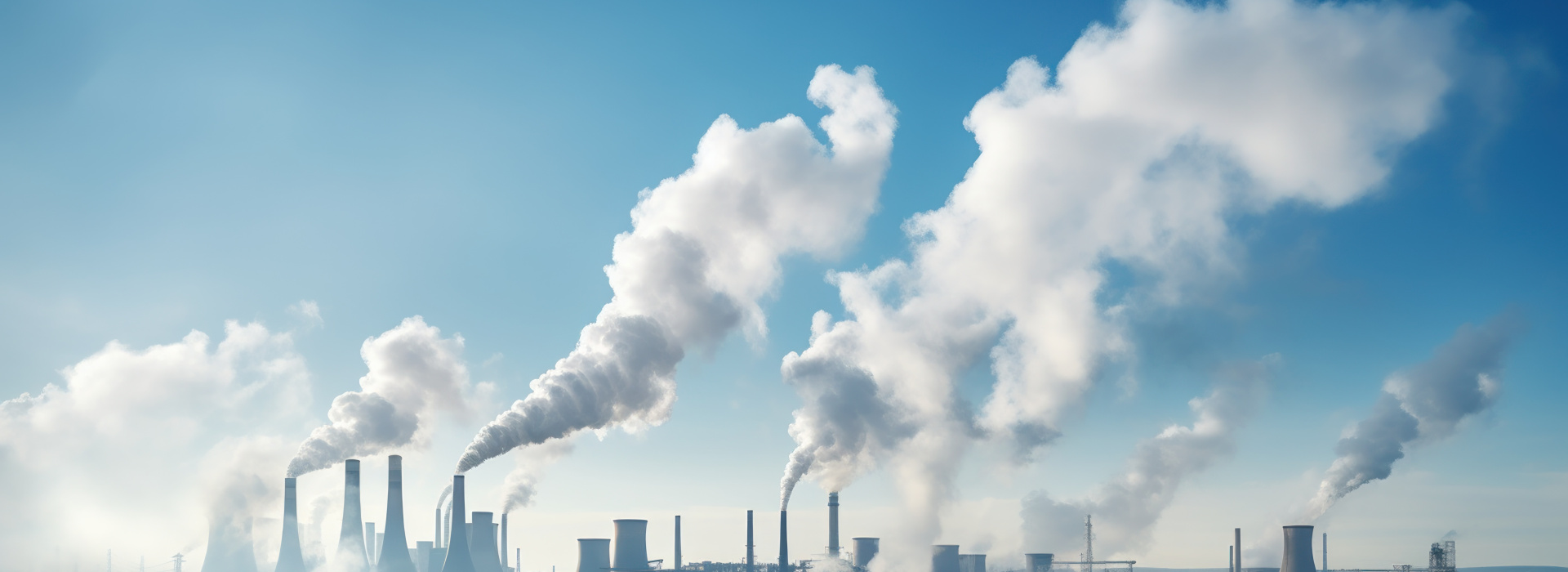
Controlling industrial emissions
The Convention establishes that Parties must control mercury emissions from relevant sources, with distinct obligations for new and existing sources. Each Party must make sure that best available techniques and best environmental practices (BAT/BEP) are implemented for new facilities no more than five years after the Convention entered into force for the Party. For facilities that already existed when the Convention entered into force, the Party must take measures in accordance with the Convention text in no more than ten years. Parties are responsible for preparing national inventories of mercury emissions following the guidance adopted by the Conference of the Parties, and they are encouraged to share information on their experiences in using this guidance at future meetings of the Conference of the Parties, with a view to identifying challenges, exchanging best practices and enhancing collective efforts to tackle mercury emissions.
Meet the expert
Should you need further information, please do not hesitate to contact Eisaku Toda, Senior Programme Management Officer of the Secretariat of the Minamata Convention on Mercury, at eisaku.toda [at] un.org (eisaku[dot]toda[at]un[dot]org).