
Reciba actualizaciones periódicas de la Convención de Minamata
Improper handling and disposal of mercury waste can lead to significant environmental contamination and human exposure. Mercury waste in landfills, if not properly managed, can leach into groundwater, while open burning of mercury-containing materials releases toxic emissions into the atmosphere. The Convention defines mercury waste based on its concentration and potential environmental risk, ensuring that appropriate treatment and disposal methods are used. Safe management strategies for waste consisting of mercury include stabilizing and solidifying mercury before disposal. Mercury waste management strategies also include its generation at the source, and establishing strict regulations on the transboundary movement of mercury waste.
Safe and effective mercury waste management
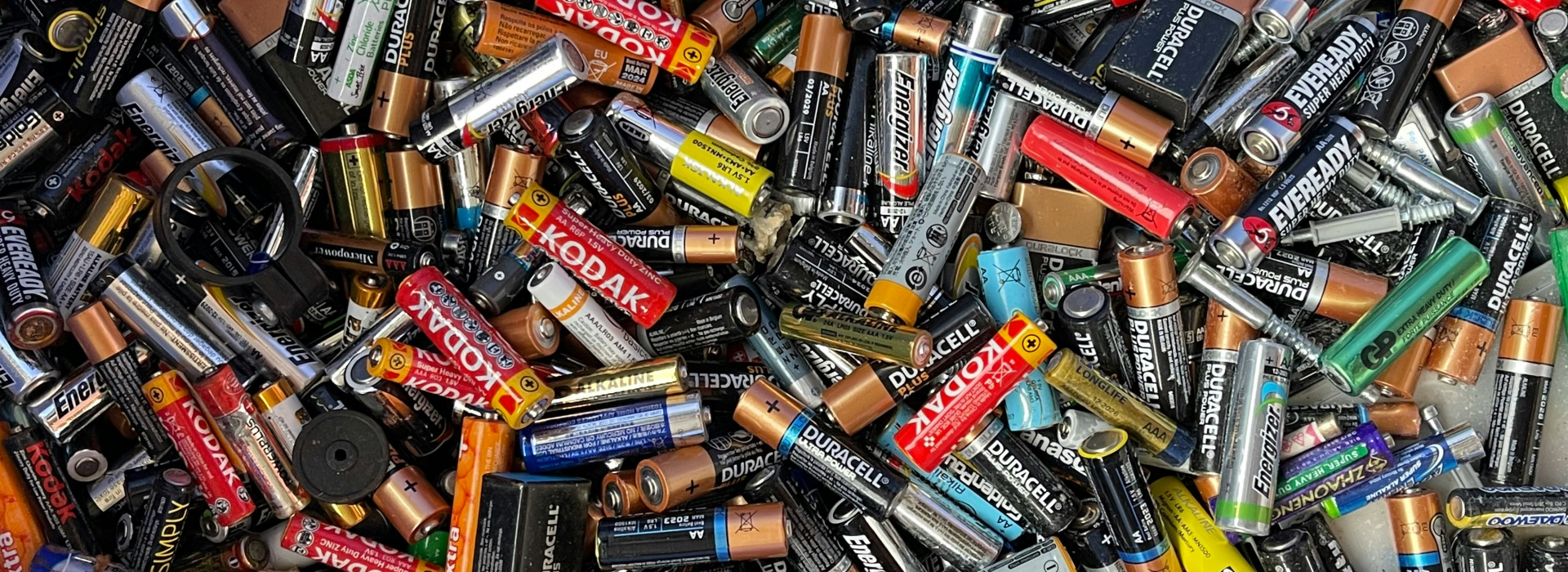
Under Article 11, Parties are required to manage mercury waste in accordance with guidelines on environmentally sound disposal. This includes collecting and separating mercury-added products at the end of their life cycle, safely treating mercury-contaminated soils, and implementing regulations to prevent the reintroduction of mercury waste into the market. Countries are encouraged to develop infrastructure for the safe handling, transport, and storage of mercury waste, ensuring that hazardous materials are not released into the environment. The Convention also calls for public awareness campaigns to educate industries, waste handlers, and consumers on the risks of mercury-containing waste and the importance of proper disposal.
Establishing a mercury waste threshold
At the fifth Conference of the Parties to the Minamata Convention (COP-5), held in November 2023, Parties agreed on a threshold of 15 mg/kg total concentration of mercury for wastes contaminated with mercury or mercury compounds. This decision aimed to enhance the environmentally sound management of mercury waste, ensuring that materials exceeding this concentration are subject to stringent controls to prevent environmental contamination and protect public health. The adoption of this threshold marked a significant step forward in global efforts to mitigate the adverse effects of mercury pollution.
Meet the expert
Should you need further information, please do not hesitate to contact Eisaku Toda, Senior Programme Management Officer of the Secretariat of the Minamata Convention on Mercury, at eisaku.toda [at] un.org (eisaku[dot]toda[at]un[dot]org).