
Reciba actualizaciones periódicas de la Convención de Minamata
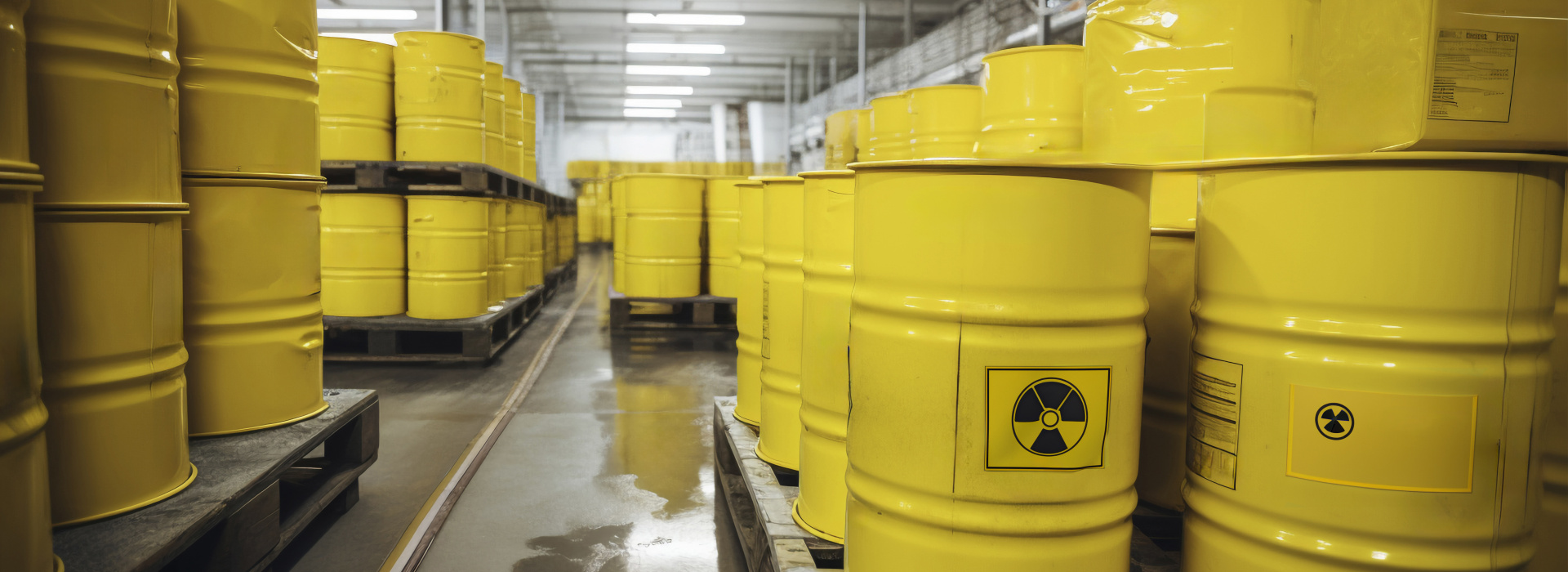
Improper mercury storage can lead to accidental releases, contaminating soil, water, and air. The Convention promotes safe handling, transportation, and storage practices to minimize risks. As more countries phase out mercury-added products and processes, the demand for secure, long-term storage solutions increases.
Setting global standards for mercury storage
The Convention provides guidance on best practices for mercury storage, emphasizing secure containment to prevent leaks and spills, inventory management and tracking systems to monitor mercury stocks, compliance with international safety and environmental standards, and the reduction of mercury stocks through sound disposal and reuse strategies. Proper storage facility design, monitoring mechanisms, and regulatory oversight ensure that mercury is safely managed, preventing its re-entry into the market or environment and minimizing risks to human health and ecosystems.
Meet the expert
Should you need further information, please do not hesitate to contact Eisaku Toda, Senior Programme Management Officer of the Secretariat of the Minamata Convention on Mercury, at eisaku.toda [at] un.org (eisaku[dot]toda[at]un[dot]org).